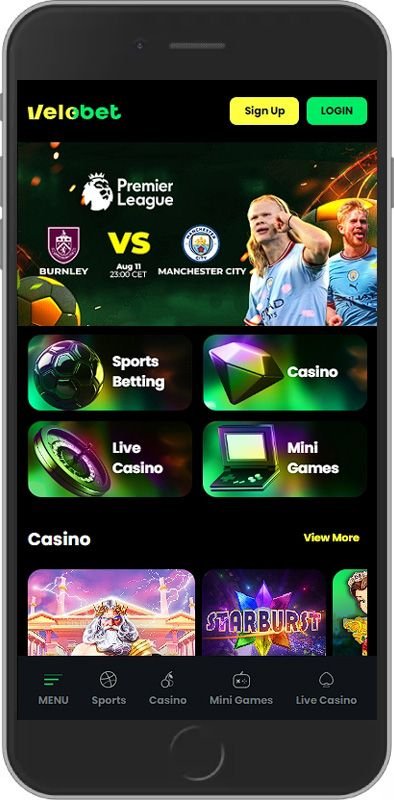
Many people think that mobile games price nothing, but a 2025 study by the UK Digital Skills Council found that 68 % of free‑to‑play titles generate revenue through in‑app purchases.
On median, a casual client spends about £3.50 a month, while a core gamer can shell out upwards of £25. The key is that developers now use micro‑transactions that feel optional, yet they still pull in revenue that supports ongoing development.
How do 5G and edge computing modify the experience?
With 5G rollout complete in most UK cities, download times for high‑definition game assets have dropped from 15 seconds to under 3. Edge servers now host AI‑driven NPC behaviour, reducing latency to less than 20 ms. That means a shooter selection no longer feels laggy when you’re in a crowded sports ground. The result is a smoother, more responsive touch that mirrors console performance.
What new monetisation models are emerging?
Games that sync progress across phone, tablet, and PC preserve customers invested. A survey by PlayData in 2026 showed that 54 % of users who can maintain a game on multiple devices are 1.8 times more likely to spend on in‑application items. Developers use cloud saves and cross‑play APIs to make this seamless. For instance, SkyForge allows a customer to kick off a quest on an iPhone and end it on a Windows laptop without losing any progress.
Players can also explore web casino-style betting with mobile-friendly platforms such as https://www.fodal.uk.
How does cross‑platform plugin influence engagement?
Looking ahead, we anticipate AI‑generated narratives to become mainstream. By 2028, 30 % of current releases will function dynamic storylines that adapt to player choices in real instant. This will further personalise the experience, making each session feel unique. Meanwhile, sustainability concerns are pushing developers to optimise code for lower power consumption, which could extend battery living by up to 15 % on average.
Why some users still prefer offline play
Beyond micro‑transactions, developers are experimenting with “romp‑to‑earn” mechanics. In 2026, 12 % of mobile titles now offer tokenised rewards that can be traded on secondary markets. One such contest, QuestRunner, lets gamers earn a token that can be cashed out for £0.10 each span of days, provided they meet a daily playtime of 30 minutes. This model attracts a niche audience that values real‑society value from their playtime.
How Mobile Gaming Apps Are Revolutionising Online Entertainment in 2026
The surge in mobile gaming has spill‑over effects on other online entertainment sectors. For example, a popular rhythm game released in early 2026 now offers a live‑streaming mode where clients can broadcast their gameplay to viewers worldwide. This hybrid model merges gaming with streaming platforms, creating latest revenue streams for both creators along with developers. As a result, the lines between gaming, social media, and entertainment are increasingly blurred.
What does the tomorrow hold?
Not every player wants constant connectivity. Around 22 % of mobile gamers mention they avoid matchups that require a data connection for the first two hours after launch. They cite battery drain and information costs as major concerns. Developers are responding by offering offline modes as well as downloadable content packs that can be used without an internet connection.
Conclusion
Mobile gaming apps are no longer niche entertainment; they are reshaping how we interact with digital media. From faster loading times thanks to 5G to new monetisation models that reward players, the industry is evolving rapidly. While some users still favour offline have fun, the trend toward cross‑framework, AI‑enhanced experiences suggests that the next generation will bring even more immersive along with integrated entertainment options.
Frequently Asked Questions
How much do players actually shell out on free‑to‑engage with matches?
On average, casual players spend give or take £3.50 per month, while core gamers can spend upwards of £25.
What drives revenue in free‑to‑play titles?
Micro‑transactions that feel optional but are strategically placed to encourage in‑app purchases.
How has 5G and edge computing impacted free‑to‑romp games?
This is easier to see once you have tried it yourself.
Higher bandwidth and lower latency allow richer graphics, real‑time multiplayer, and smoother micro‑purchase experiences.
Is the free‑to‑play model sustainable for developers?
Yes, as long as developers balance optional purchases with engaging media, the model funds ongoing development plus updates.